Fengxiang New Year Paintings
Introduction
Fengxiang New Year paintings, originating from Fengxiang county in Shaanxi province, are a significant form of traditional Chinese folk art. These paintings are known for their vibrant colors, dynamic designs, and deep roots in Chinese culture and history. Over time, they have evolved from simple decorative pieces into essential carriers of folklore, embodying the profound cultural heritage of the region. Characterized by their artistic expression of good wishes, these paintings are a testament to the creativity and cultural richness of the Chinese people, especially during festive occasions. They serve as a medium for conveying blessings, aspirations, and dreams for the future.
History
Origins
The tradition of Fengxiang Woodblock New Year paintings dates back to at least the Ming Dynasty (1368-1644). According to historical records from the Tai family of Nanxiaoli village, eight family workshops were already producing these artworks before 1507. Over 20 generations, the craft evolved and flourished. By 1950, the paintings encompassed over 690 designs, categorized into five themes:
Door Paintings: Featuring protective Door Gods.
Beauties Paintings: Illustrating depictions of women symbolizing blessings.
Customs and Folklore Paintings: Reflecting local traditions and daily life.
Drama and Story Paintings: Portraying scenes from operas and folktales.
Deity Paintings: Depicting gods for worship and blessings.
At its height, the Fengxiang New Year painting industry produced six million pieces annually, widely distributed across Shaanxi, Gansu, Ningxia, Qinghai, and Sichuan provinces.
Characteristics
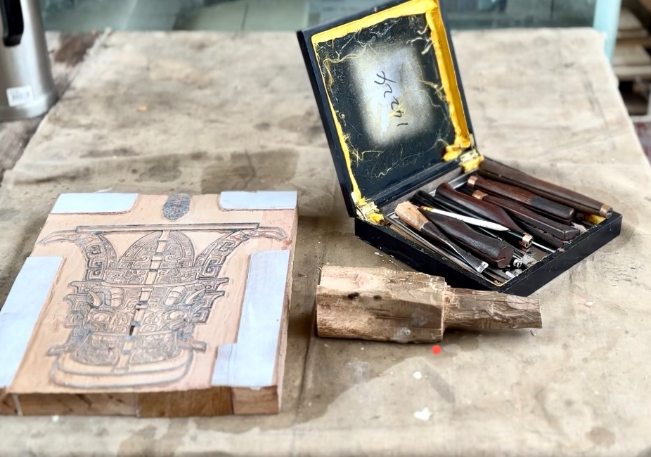
Fengxiang Woodblock New Year paintings are known for their entirely handmade production process. Designs are carved on wooden blocks, printed using traditional techniques, and enhanced with hand-painted details and metallic colors like gold and silver. The artworks are characterized by:
Bold and Saturated Colors: Strong contrasts that draw the eye.
Exaggerated and Simplified Forms: Figures and motifs are rendered with an expressive and rustic charm.
Symbolism and Cultural Meaning: Themes emphasize prosperity, protection, and festivity.
These qualities reflect the ancient artistic style, preserving the unpolished yet vibrant essence of traditional folk art.
Cultural Significance
Role in Traditional Celebrations
Fengxiang New Year paintings play an integral role in traditional Chinese celebrations, particularly during the Chinese New Year. They are considered a vital component of the festive decor, believed to bring good luck and ward off evil spirits. Families often hang these paintings in their homes as part of the New Year festivities, creating a vibrant and joyful atmosphere. The paintings not only enhance the visual appeal of the celebration but also serve as a means of preserving and transmitting cultural values and traditions across generations.
Symbolism and Meaning
The symbolism and meaning embedded in Fengxiang New Year paintings are profound and multifaceted. Each element within the painting carries specific connotations, often related to auspiciousness, prosperity, and protection. For instance, images of mythical creatures or deities are believed to possess protective powers, while scenes of bountiful harvests symbolize abundance and wealth. The use of particular colors also holds significance, with red and gold being prominent for their associations with happiness and good fortune. These symbolic meanings enrich the cultural and spiritual dimensions of the art form, making it an enduring tradition in Chinese culture.








